

The Story of the Fig Tree and the Call to Spiritual Growth
SHARE
From spiritual readiness to genuine faith, explore the lessons Christians can learn from the fig tree in the Bible.
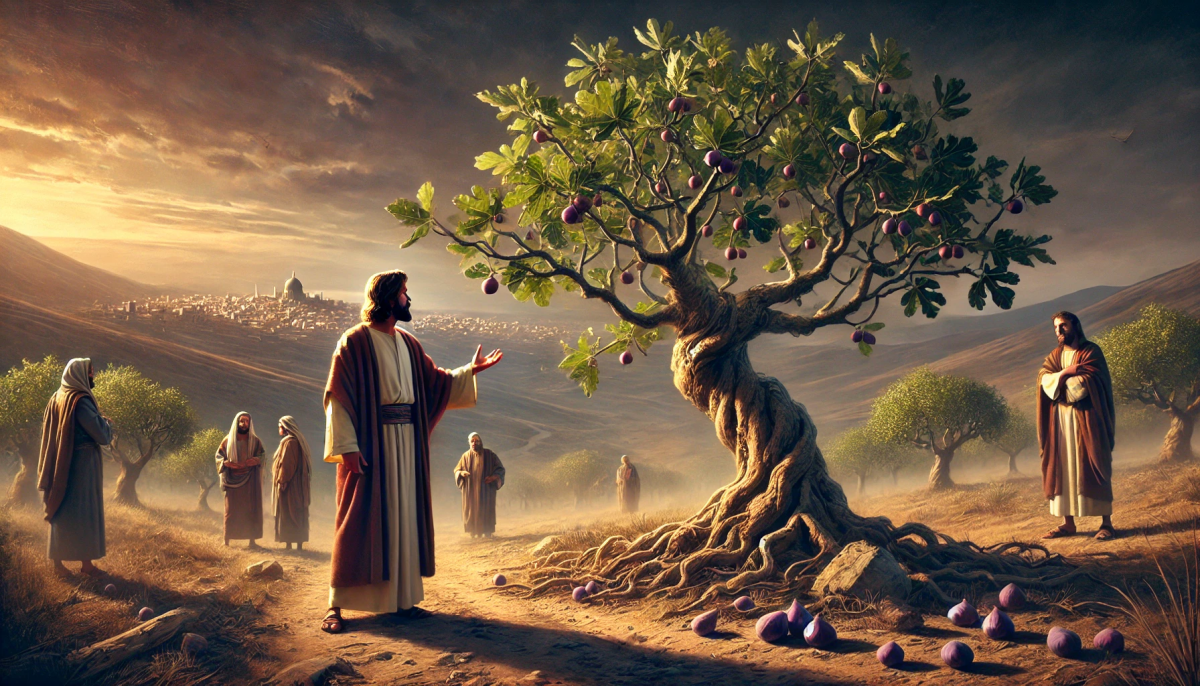
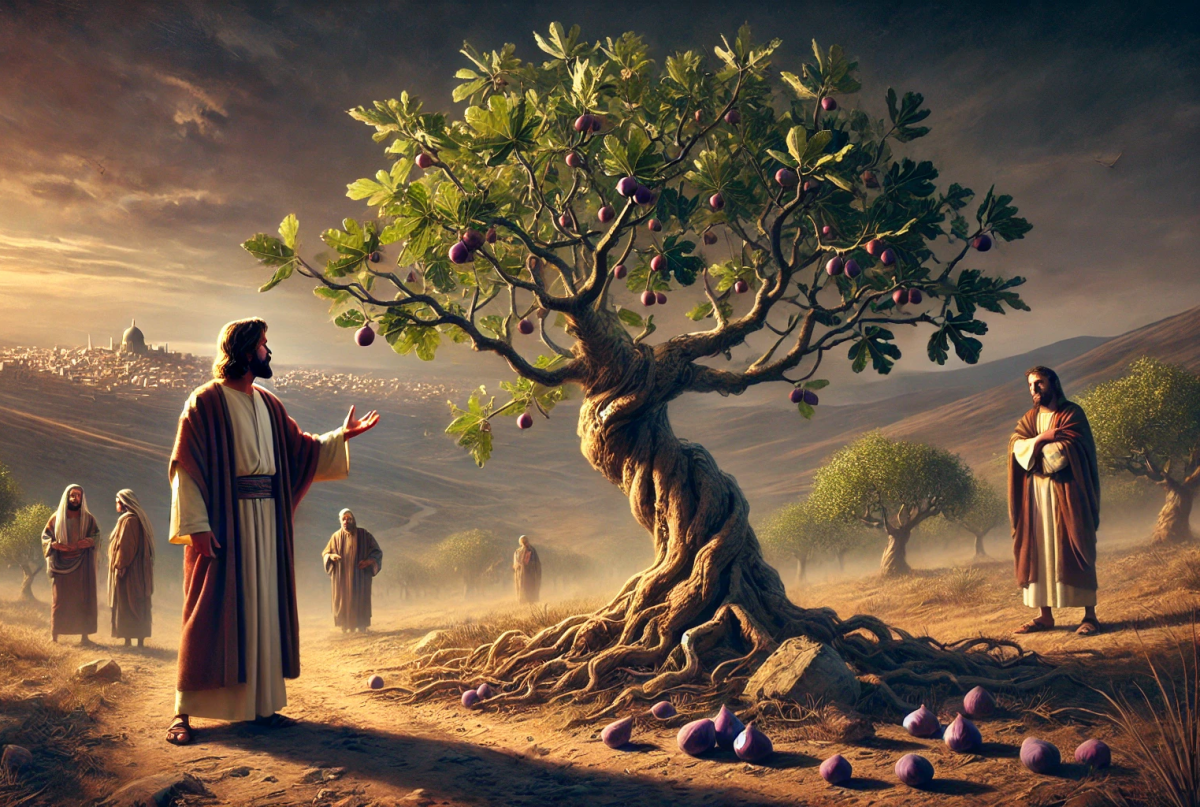
The story of the fig tree in the Bible is one of the most thought-provoking teachings shared by Jesus Christ. Found in passages such as Matthew 24:32-35 and Mark 11:12-25, the fig tree becomes more than just a plant—it becomes a spiritual illustration about readiness, faith, and the condition of the human heart.
For many Christians, this story serves as both a warning and an encouragement. It reminds us to stay spiritually awake while trusting in the promises of God. Though simple on the surface, the lesson of the fig tree carries deep meaning that still speaks to the church today.
The Fig Tree as a Sign of Spiritual Awareness
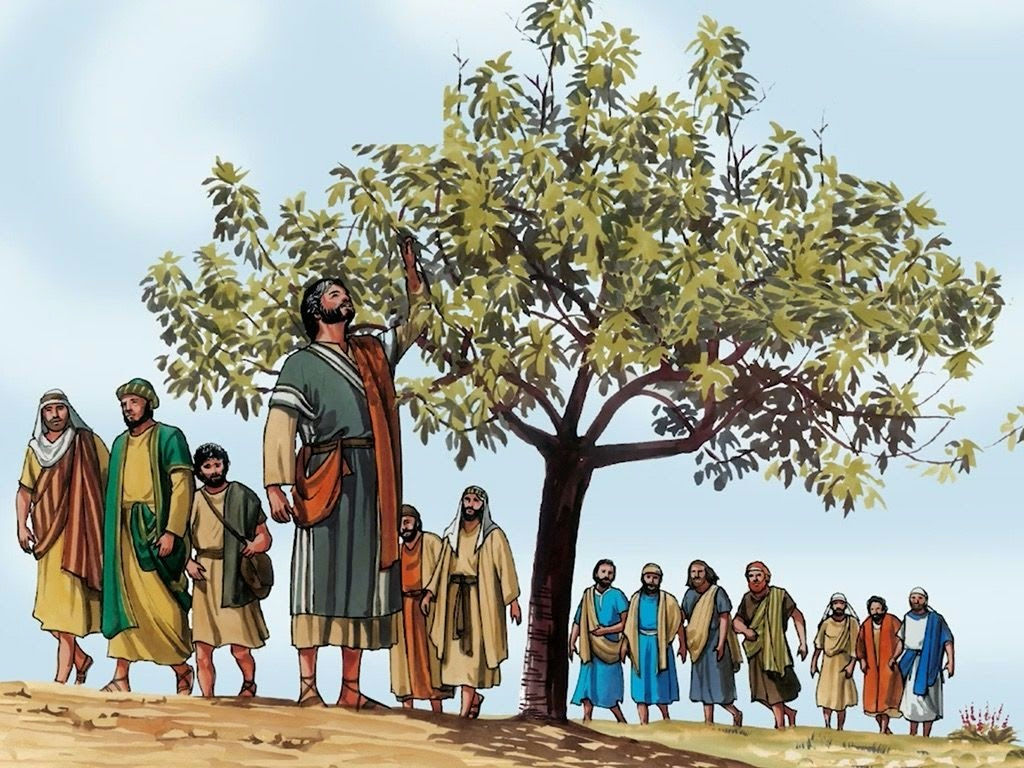
One of the most well-known references appears in Matthew 24:32-33, where Jesus says, “Now learn this lesson from the fig tree: As soon as its twigs get tender and its leaves come out, you know that summer is near.”
In this passage, Jesus uses the fig tree to teach people about recognizing spiritual seasons. Just as nature gives signs that summer is approaching, we are encouraged to pay attention to the signs of God’s work in the world.
This lesson is not meant to create fear but awareness. The Bible often encourages us to remain faithful and prepared rather than spiritually distracted. The message points toward living with purpose, strengthening faith, and staying connected through prayer and the guidance of the Holy Spirit.
For Christians today, the fig tree becomes a reminder that spiritual growth should be visible. Just as leaves appear on a healthy tree, a life rooted in the gospel should reflect compassion, wisdom, and obedience to God.
The Warning Behind the Fruitless Fig Tree
Another important moment involving the fig tree is found in Mark 11:12-14. Jesus approaches a fig tree looking for fruit, but finds none. It states in Mark 11:14, “May no one ever eat fruit from you again.”
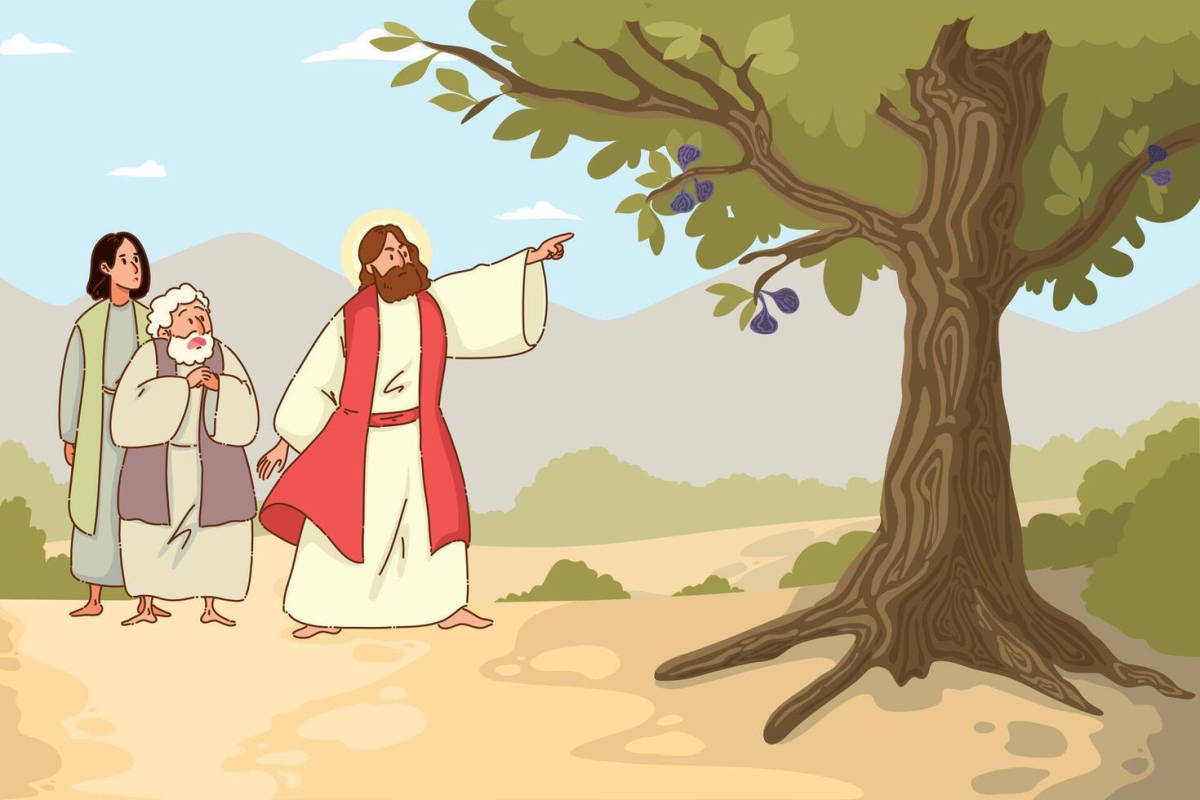
At first glance, this story may seem harsh. However, many Bible scholars believe the tree symbolized outward religion without genuine spiritual fruit. It represented appearances without true transformation.
This lesson still resonates today. It challenges us to examine whether their faith is active and sincere. Attending church, knowing Scripture, or speaking about faith is important, but the story suggests that God also looks for spiritual fruit—love, humility, kindness, and obedience.
The fig tree account encourages Christians to move beyond routine religion and develop a living relationship with God. Genuine faith is not only heard in words but also seen in actions and character.
What Christians Can Learn Today
The lesson of the fig tree continues to hold meaning because it speaks directly to everyday spiritual life. It teaches us to remain watchful, spiritually fruitful, and grounded in faith even during uncertain times.
For many people, the story is also a reminder of hope. Just as seasons change, God’s promises remain steady. The message points toward Heaven, the fulfillment of God’s plan, and the importance of staying faithful while waiting on Him.
In the end, the fig tree is more than a symbol of judgment or prophecy. It is an invitation to grow spiritually, trust in Jesus, and live a life that reflects the transforming power of God.
*Cover Photo/Thumbnail Photo from uasvbible.org
RELATED ARTICLES

Bold, Beautiful, Berry Purple: Experience the ‘Never Feel, Never Fall’ HUAWEI FreeClip 2 in its Most Expressive Color Yet

Collection of Ultraman History from Visionary Filmmaker Sompote Sands Heads to Auction for the First Time Commemorating the Pioneering Franchise’s 60th Anniversary

Marco’s first date, L.A’s growing “kilig” on regional dating show WINGMAN

Early Review Access: UGREEN’s Smarter Charging Lineup for Apple Season (Embargo: 30 September)

COVERAGE: James Reid lets his guard down on third studio album, Honey, I’m Home

Discover More Ways of Getting Work Done with the World’s Best Screen and PC-Level, AI-Powered Productivity on the Ultra-Thin HUAWEI MatePad Air, Available for Pre-Order
Bold, Beautiful, Berry Purple: Experience the ‘Never Feel, Never Fall’ HUAWEI FreeClip 2 in its Most Expressive Color Yet