


When Wealth Becomes a Master: Lessons from Mammon
SHARE
The Bible’s warning about Mammon remains relevant today. Learn how Christians can balance wealth, faith, and trust in God.

The story of Mammon is not about a person but a powerful concept that appears in the Bible as a representation of wealth, riches, and material possessions competing for a person’s devotion. Throughout Scripture, God warns His people about the dangers of allowing money to take His rightful place in their hearts. The teachings surrounding Mammon remain highly relevant today, especially in a world where success is often measured by financial achievement.
One of the clearest references comes from Jesus Himself in Matthew 6:24, “No one can serve two masters. Either you will hate the one and love the other, or you will be devoted to the one and despise the other. You cannot serve both God and money.”
In many Bible translations, the word “money” is rendered as “Mammon,” emphasizing not just wealth itself but the spiritual influence that can come with it.
Mammon Reveals What We Truly Value
The warning about Mammon is not that money is inherently evil. Wealth can be used for good purposes, helping families, supporting the church, and serving those in need. The real issue arises when financial pursuits become the center of a person’s life.
The story of Mammon challenges Christians to examine their priorities. Are decisions guided primarily by financial gain, or by obedience to God? The gospel consistently teaches that we should seek God’s kingdom before worldly treasures. When wealth becomes a source of identity, security, or purpose, it can quietly take the place that belongs to the Lord alone.

In Luke 16:9, He said, “And I say unto you, Make to yourselves friends of the mammon of unrighteousness; that, when ye fail, they may receive you into everlasting habitations.”
This lesson encourages us to regularly evaluate where our trust truly rests and whether our daily choices reflect genuine faith.
Trusting God Instead of Earthly Riches
Another important lesson from Mammon is the importance of placing confidence in God rather than material possessions. Wealth can provide temporary comfort, but it cannot guarantee peace, salvation, or eternal life.
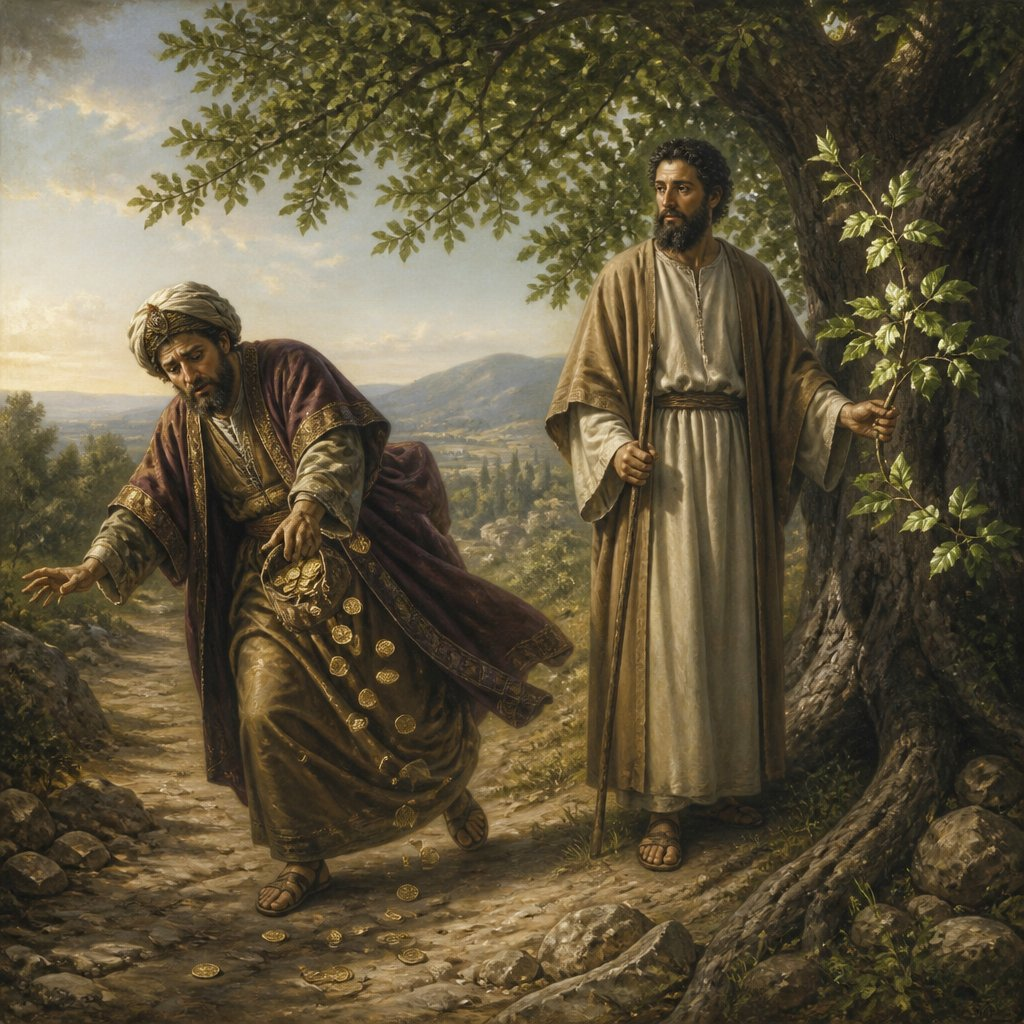
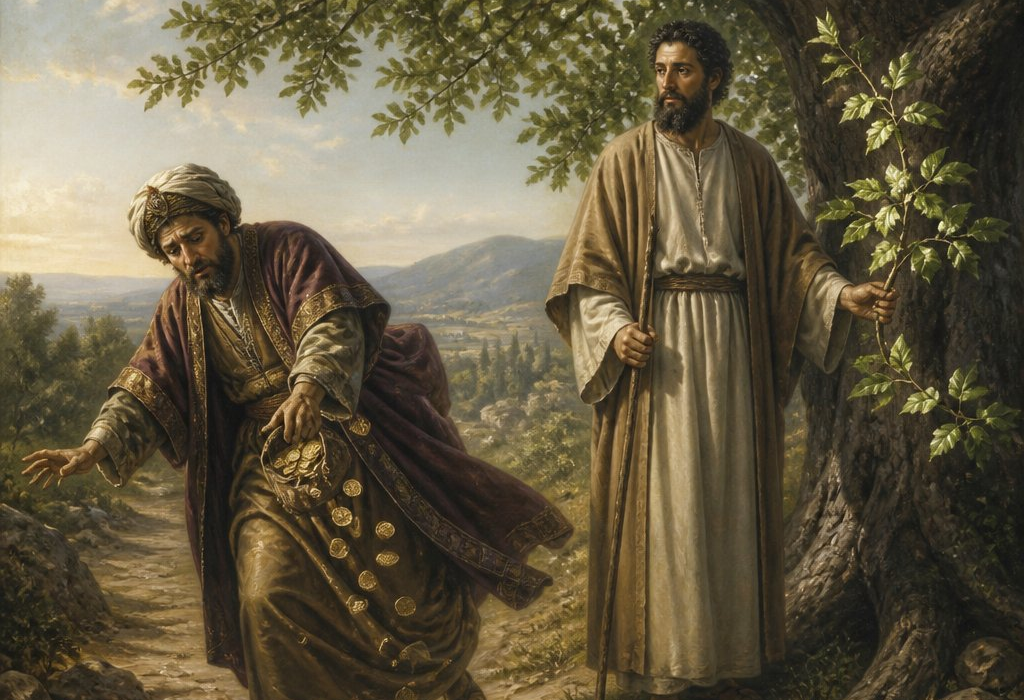
Proverbs 11:28 reminds us that, “Those who trust in their riches will fall, but the righteous will thrive like a green leaf.”
Throughout Scripture, God’s people are encouraged to depend on Him through prayer and faithful obedience. Financial success may come and go, but God’s provision remains constant. This perspective helps us navigate both abundance and hardship without allowing circumstances to dictate their spiritual condition.
The example of the disciples also demonstrates a willingness to follow God’s calling above personal gain. Their commitment reminds modern Christians that true fulfillment is found in serving Christ rather than accumulating possessions.
Investing in What Lasts Forever
The story of Mammon ultimately points to an eternal perspective. While earthly wealth has value in this life, it cannot be taken into Heaven. Jesus repeatedly taught His followers to invest in treasures that endure beyond this world.
For Christians, this means using resources wisely, showing generosity, supporting ministry, and living according to God’s purposes. Material blessings can become tools for serving others rather than goals in themselves.
The lesson of Mammon is not a rejection of prosperity but a call to proper stewardship. When we place God first, wealth becomes a servant rather than a master. By keeping their hearts focused on Christ, they can live with confidence, purpose, and hope, knowing that the greatest treasure is found in a relationship with Him.
Cover Photo/Thumbnail Photo from: Bible Art
RELATED ARTICLES

Discover Helsinki’s Evolving Design and Architecture Scene – in Finland and in Japan

Awaken Your Senses: Embrace the Golden Hour Privilege at WorldHotels Long Beach Resort Phu Quoc

Marvel Infinity Gauntlet Heads to Julien’s Auctions at Rosewood Abu Dhabi Dec. 8 Ahead of Avengers: Doomsday

Two Theme Parks, One Ocean Adventure at Hengqin Chimelong Resort