
Latest Posts



Who Is the Greatest? What Jesus Says About True Greatness
SHARE
The disciples wanted to know who was the greatest. Discover how Jesus redefined greatness through humility, service, and faith in God.
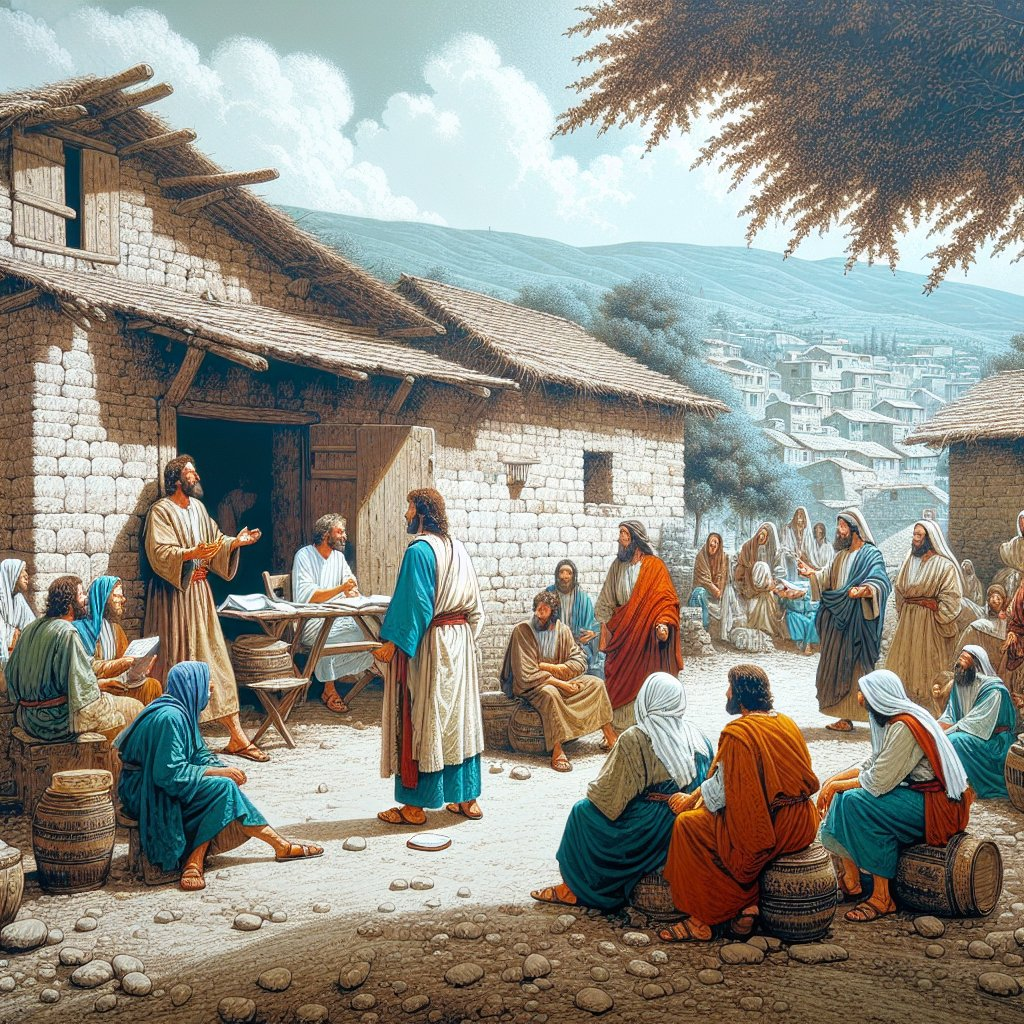
Success, recognition, and influence often shape how the world defines greatness. It’s easy to assume that the person with the highest position or the loudest voice deserves the most respect. Yet one conversation in the Bible completely challenges that mindset. When the disciples argued about who among them was the greatest, Jesus responded with a lesson that continues to reshape the way Christians understand leadership, humility, and purpose.
Rather than praising ambition or status, He redirected their attention to the values of the kingdom of Heaven. His teaching reveals that greatness is not measured by how many people serve you, but by how willingly you serve others.
Greatness Begins With Humility
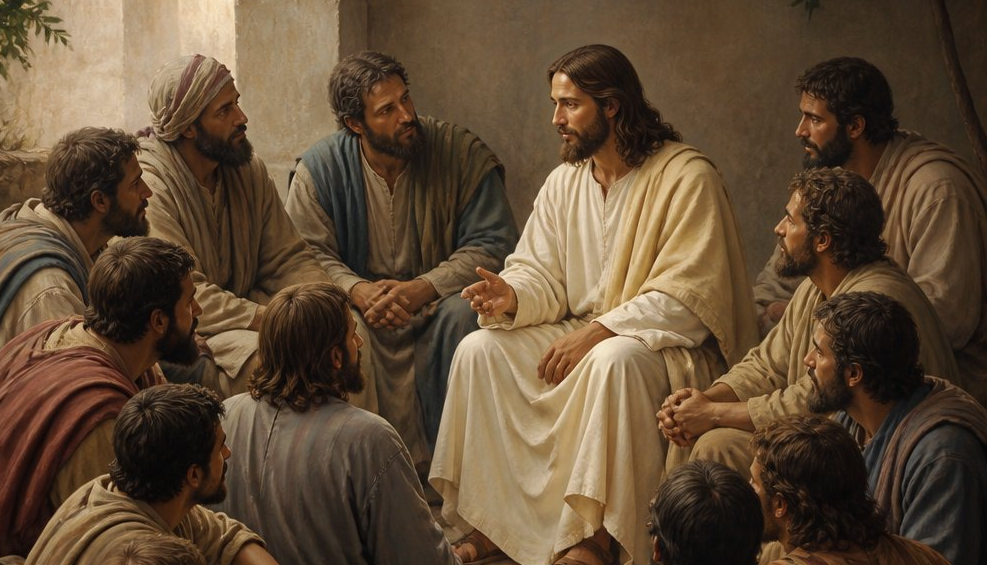
The discussion about greatness appears in several Gospel accounts, but one of the clearest moments is found in Mark 9:33–35. After asking what the disciples had been arguing about, Jesus addressed the heart of the issue, “Anyone who wants to be first must be the very last, and the servant of all.” (Mark 9:35)
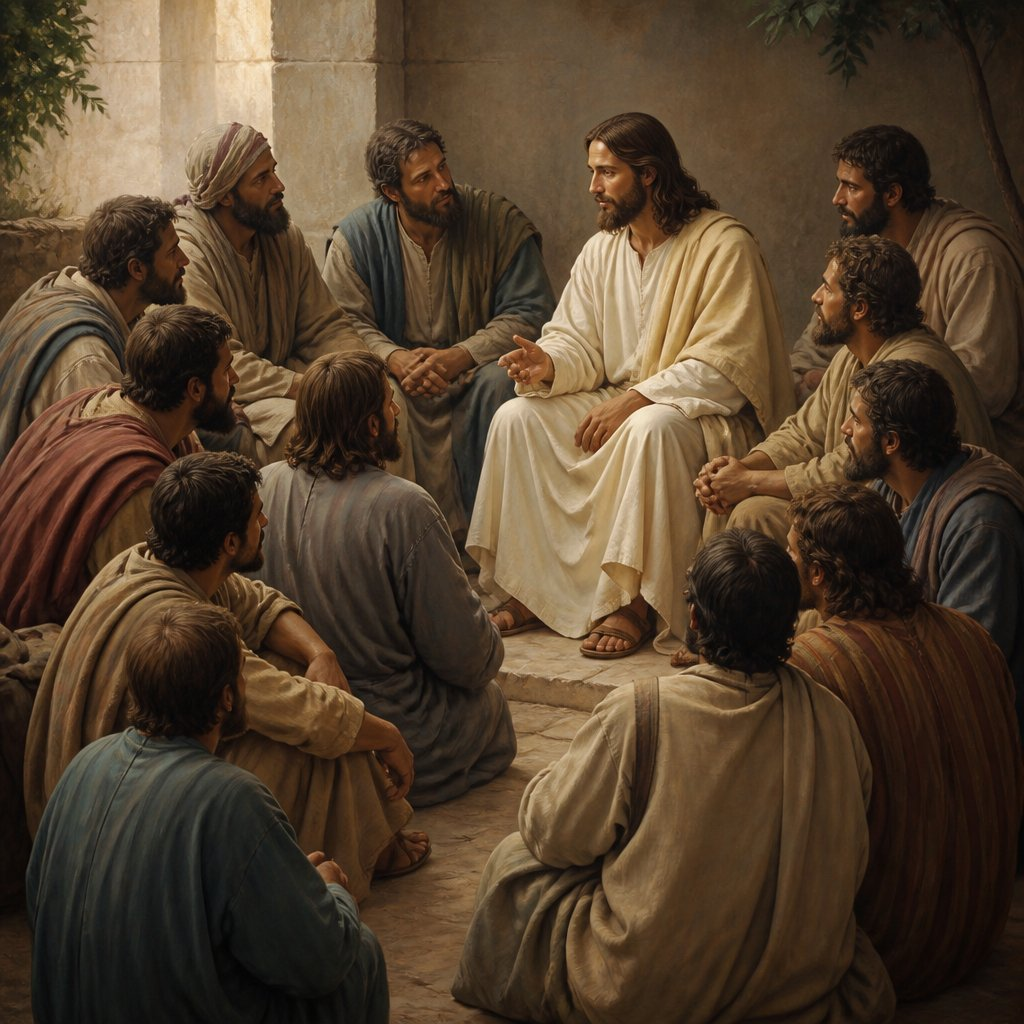
This statement completely overturns worldly expectations. Instead of encouraging competition, Jesus pointed to humility as the starting point of genuine greatness. In God’s kingdom, leadership is expressed through service rather than personal achievement.
Humility does not mean thinking less of yourself. Instead, it means placing God’s priorities above personal recognition. When we willingly help others, show compassion, and seek unity instead of attention, we reflect the character that Christ modeled throughout His ministry.
Childlike Faith Reflects God’s Kingdom
Jesus reinforced His lesson by welcoming a little child into the center of the group. Children in that culture held little social status, making His example especially meaningful. He explained that receiving a child in His name was also receiving Him, emphasizing that every act of humble love carries eternal significance.
Another powerful reminder appears in Matthew 18:3–4, “Truly I tell you, unless you change and become like little children, you will never enter the kingdom of heaven. Therefore, whoever takes the lowly position of this child is the greatest in the kingdom of heaven.”
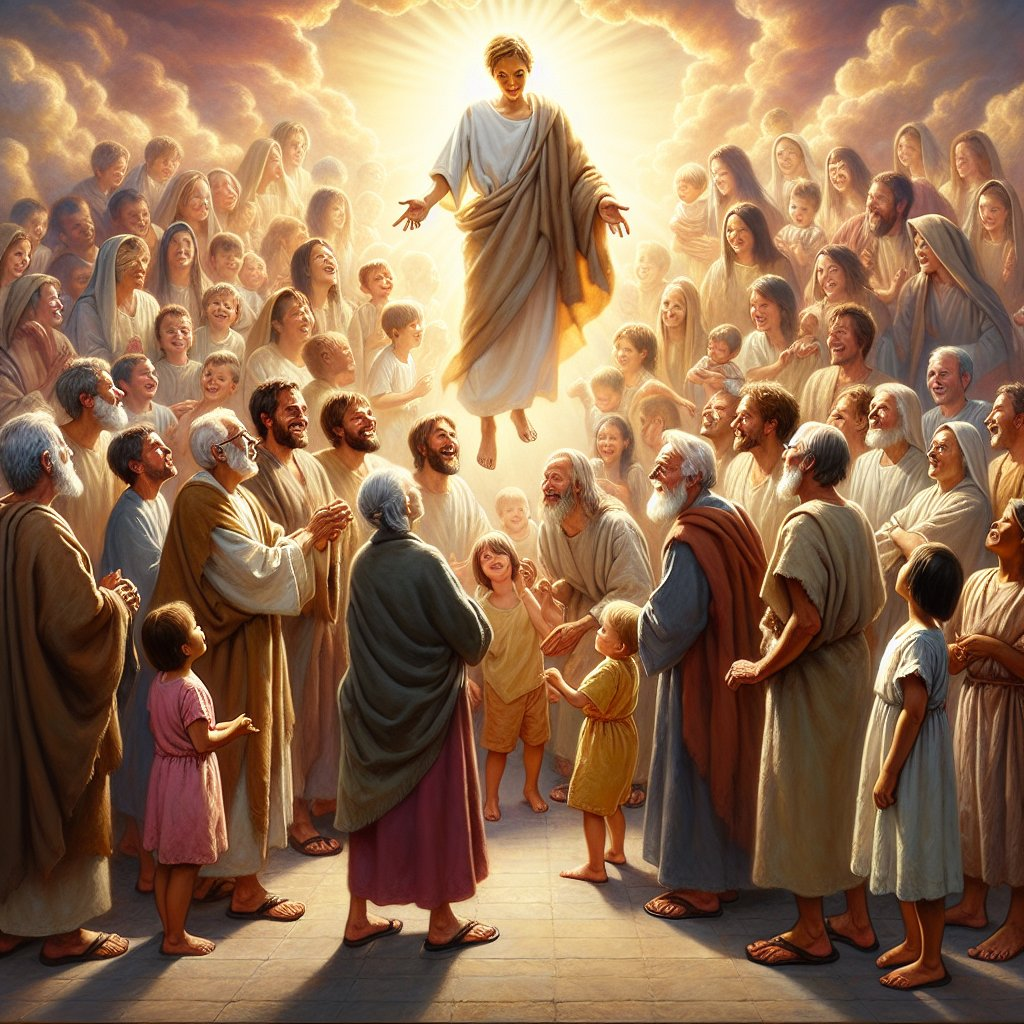
Childlike trust, dependence, and sincerity are qualities that draw us closer to God. Instead of relying on pride or personal accomplishments, Christians are invited to approach Him with humility and confidence. Through prayer, we acknowledge that our strength comes from Him rather than ourselves.
As we continue to grow in faith, the Holy Spirit helps transform our attitudes, teaching us to value people over prestige and obedience over applause.
Living Out True Greatness Every Day
The story of “Who Is the Greatest?” is more than a lesson for the disciples—it is a challenge for every generation. Whether serving in the church, leading at work, supporting family members, or helping a neighbor, our actions reveal what we believe greatness truly means.
The gospel reminds us that Christ Himself demonstrated ultimate humility by serving others and giving His life for humanity. His example encourages us to pursue influence through love instead of status.
When we measure success by faithfulness instead of recognition, our perspective begins to align with God’s. True greatness is not about standing above others but walking beside them with humility, compassion, and a heart willing to serve. That kind of greatness may not always receive earthly applause, but it is the kind that matters most in the kingdom of Heaven.
*Cover Photo/Thumbnail Photo from Bible Art
RELATED ARTICLES

Awaken Your Senses: Embrace the Golden Hour Privilege at WorldHotels Long Beach Resort Phu Quoc

Marvel Infinity Gauntlet Heads to Julien’s Auctions at Rosewood Abu Dhabi Dec. 8 Ahead of Avengers: Doomsday

Two Theme Parks, One Ocean Adventure at Hengqin Chimelong Resort

Klook Celebrates Champions of Philippine Tourism